
What’s Included in a Tree Removal Estimate?
Tree removal requires careful planning and professional assessment to ensure safety and efficiency during the process. A comprehensive tree removal estimate clearly outlines all steps and costs involved for homeowners considering tree services. Knowing the details in advance helps property owners make informed decisions while protecting their home and landscape.
Estimates also allow for proper risk evaluation and resource planning to prevent unforeseen issues during tree removal projects. By reviewing a detailed plan, homeowners can understand what to expect and avoid hidden charges. Transparency and preparation offer peace of mind while coordinating professional tree care services.
What Does a Tree Removal Estimate Include?
A tree removal estimate describes every step necessary to safely remove a tree from the property. This includes inspection, risk assessment, equipment allocation, debris cleanup, and insurance verification for homeowner protection. Understanding these details upfront allows property owners to plan effectively and avoid unexpected challenges.
How Do Professionals Assess Your Tree?
The first step in a tree removal estimate is a complete site inspection and detailed tree evaluation. Professionals examine the tree’s species, size, health, and proximity to nearby structures or other potential hazards. Homeowners can also review the safe way for large tree removal to understand common practices for complex removals.
Inspectors check for visible signs of decay, disease, or structural weakness within the tree trunk and branches. Trees with compromised stability may require specialized equipment or techniques to prevent accidents. Accurate assessment ensures the crew can plan effectively and maintain safety.

Documentation from the inspection typically includes notes, photos, and measurements that support the final estimate. This information provides homeowners with a clear understanding of the scope and complexity of the job. The result is transparency and confidence before work begins.
Additional environmental factors, such as slope, nearby utilities, or property access, influence the removal strategy. These considerations help determine the necessary crew size, equipment, and safety precautions. Professionals plan around these variables to prevent damage and ensure efficiency.
Why Is Risk Evaluation Important?
Risk evaluation is a vital part of any tree removal estimate to prevent accidents and property damage. Hazards such as leaning trees, proximity to buildings, or unstable branches must be assessed before starting the removal process. Delaying inspections can worsen tree hazards, which homeowners can understand by reviewing the dangers of delaying tree health inspections.
The evaluation considers potential impact zones where limbs or trunks could fall during cutting and removal. Identifying these areas helps protect property, vehicles, and people during the project. Proper planning ensures that the team can work efficiently without unnecessary delays.
Other risks include underground utilities, hidden stumps, or wildlife that could be affected during removal. Inspectors mark and plan around these hazards to avoid accidental damage. Thorough risk evaluation protects homeowners from liability and unexpected costs.
Risk assessment also determines which tools and crew members are required for safe tree removal. Large or hazardous trees may need cranes, rigging systems, or additional personnel. Addressing risks in advance prevents emergencies and ensures the job is completed safely.
What Equipment and Crew Are Needed?
Equipment and crew requirements are essential components of a tree removal estimate for safety and efficiency. Professionals calculate the number of workers and tools needed based on the tree’s height, weight, and location on the property. Homeowners can explore reliable tree services near you to understand how crew and equipment scale with project complexity.
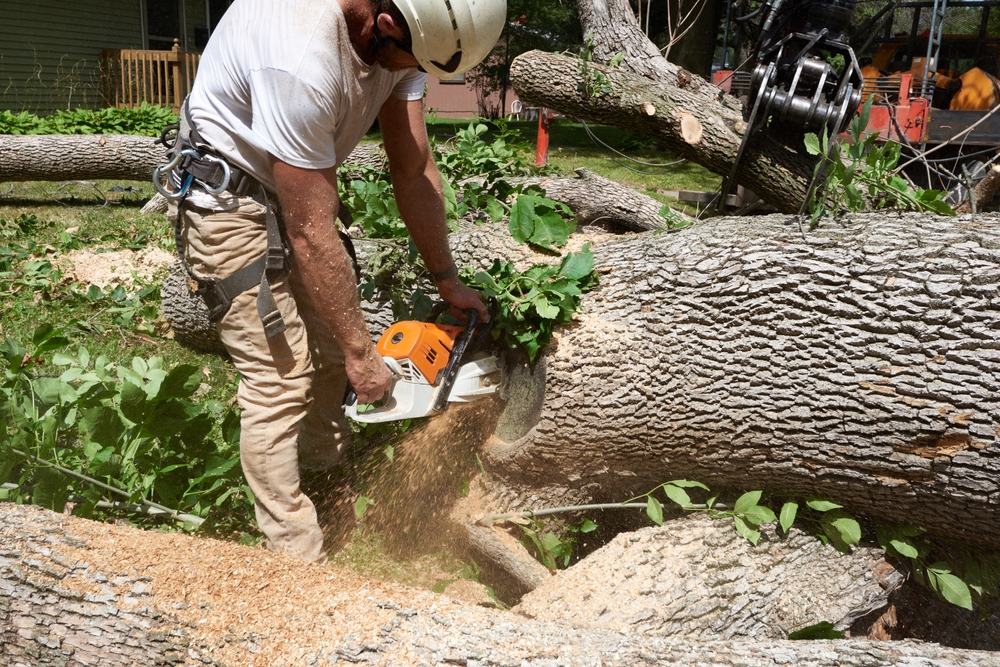
Typical equipment includes chainsaws, ropes, cranes, safety harnesses, and protective gear to maintain a secure work environment. Some jobs may require specialized tools to handle large or unstable trees effectively. Having the proper equipment ensures the process is executed safely and efficiently.
Crew size is determined by the complexity of the job, with larger crews assigned to difficult or hazardous removals. Smaller projects may require fewer team members while still maintaining safety standards. Allocating resources accurately prevents unnecessary costs or delays during the work.
The proper combination of equipment and personnel directly influences the total estimated cost and project timeline. Homeowners can plan their budget knowing exactly what resources will be used. A clear estimate removes uncertainty and builds confidence in the removal process.
How Is Cleanup and Debris Disposal Handled?
Cleanup and debris removal are included in most tree removal estimates to leave the property safe and clean. Professionals remove branches, logs, and sawdust, ensuring no hazards remain after the tree has been cut. This step also protects landscaping and prevents damage to lawns or other structures.
Disposal methods may involve chipping branches, hauling logs offsite, and grinding stumps to reduce tripping risks. Each service is itemized in the estimate for transparency. Homeowners can see examples in tree maintenance beyond trimming.
Common cleanup services included in estimates:
Chipping branches for mulch or disposal on-site.
Hauling logs to an approved location or recycling center.
Stump grinding to prevent hazards or regrowth issues.
Property inspection to ensure all debris is removed properly.
Site cleanup verification to confirm a safe and tidy area.
Proper cleanup prevents pests, protects plants, and maintains the visual appeal of the property. Including these services in the estimate ensures transparency and homeowner satisfaction.
Why Verify Insurance Before Tree Removal?
Insurance verification is a necessary step in any tree removal estimate to protect both homeowners and workers. Accidents, property damage, or injuries can be expensive without proper coverage. Confirming insurance safeguards property owners from financial liability during tree removal services.
Professionals provide proof of general liability and workers’ compensation coverage in advance. Homeowners can review the documentation to ensure the company meets safety and legal standards. This verification is essential for larger or complex removal projects with higher risks.

Insurance coverage also demonstrates professionalism and credibility, showing the company is committed to safe operations. Verified policies reassure homeowners that the team follows legal and industry standards. Taking this step reduces concerns about unexpected costs or accidents.
Steps to verify insurance:
Request proof of general liability coverage.
Confirm workers’ compensation is active and current.
Check coverage limits for the size of your project.
Obtain documentation before any work begins.
Keep records for future reference and potential claims.
Proper verification ensures homeowners are financially protected, and the project proceeds safely. It also reflects a company’s commitment to professional standards. Insurance verification adds confidence and peace of mind during tree removal.
Planning Your Tree Removal with Confidence
Understanding what a tree removal estimate covers gives homeowners the ability to make informed decisions confidently. Inspection, risk evaluation, equipment planning, cleanup, and insurance are all essential elements to consider. Properly prepared estimates reduce surprises and allow for effective project planning.
Mark’s Tree & Stump Removal delivers thorough and transparent estimates, providing clarity for every aspect of tree removal. Customers can trust there are no hidden costs, and each step is clearly explained. For a detailed, professional estimate, reach out to contact us and plan your tree removal with complete confidence.