
The Safest Way to Handle Large Tree Removal
Removing large trees from your property requires careful planning, specialized equipment, and trained professionals. Large tree removal carries significant risks to nearby structures, landscaping, and personal safety if not handled correctly. Understanding proper methods and precautions ensures that the work is completed safely and efficiently.
Homeowners often underestimate the hazards posed by towering trees and heavy limbs. Properly executed large tree removal combines experience, safety protocols, and modern equipment to minimize risk. Taking precautions reduces potential property damage and keeps everyone on-site safe throughout the process.
What Is the Safest Way to Remove a Large Tree?
Removing a large tree safely requires careful planning, the right equipment, and experienced professionals. Large tree removal involves assessing hazards, controlling branch and trunk sections, and protecting nearby structures. Following proper methods ensures both property and crew remain safe throughout the entire process.
How Can You Safely Remove a Large Tree?
Safely removing a large tree begins with evaluating its size, health, and surroundings. Professionals inspect nearby structures, landscaping, and utility lines to prevent accidents during removal. Careful preparation allows the tree to be dismantled methodically without causing unnecessary damage.
Trees with structural weakness or decay require extra attention before cutting begins, helping prevent uncontrolled falls or property damage. Identifying risks early allows crews to select the safest removal approach. Proper assessment reduces the chance of unexpected incidents during the project.
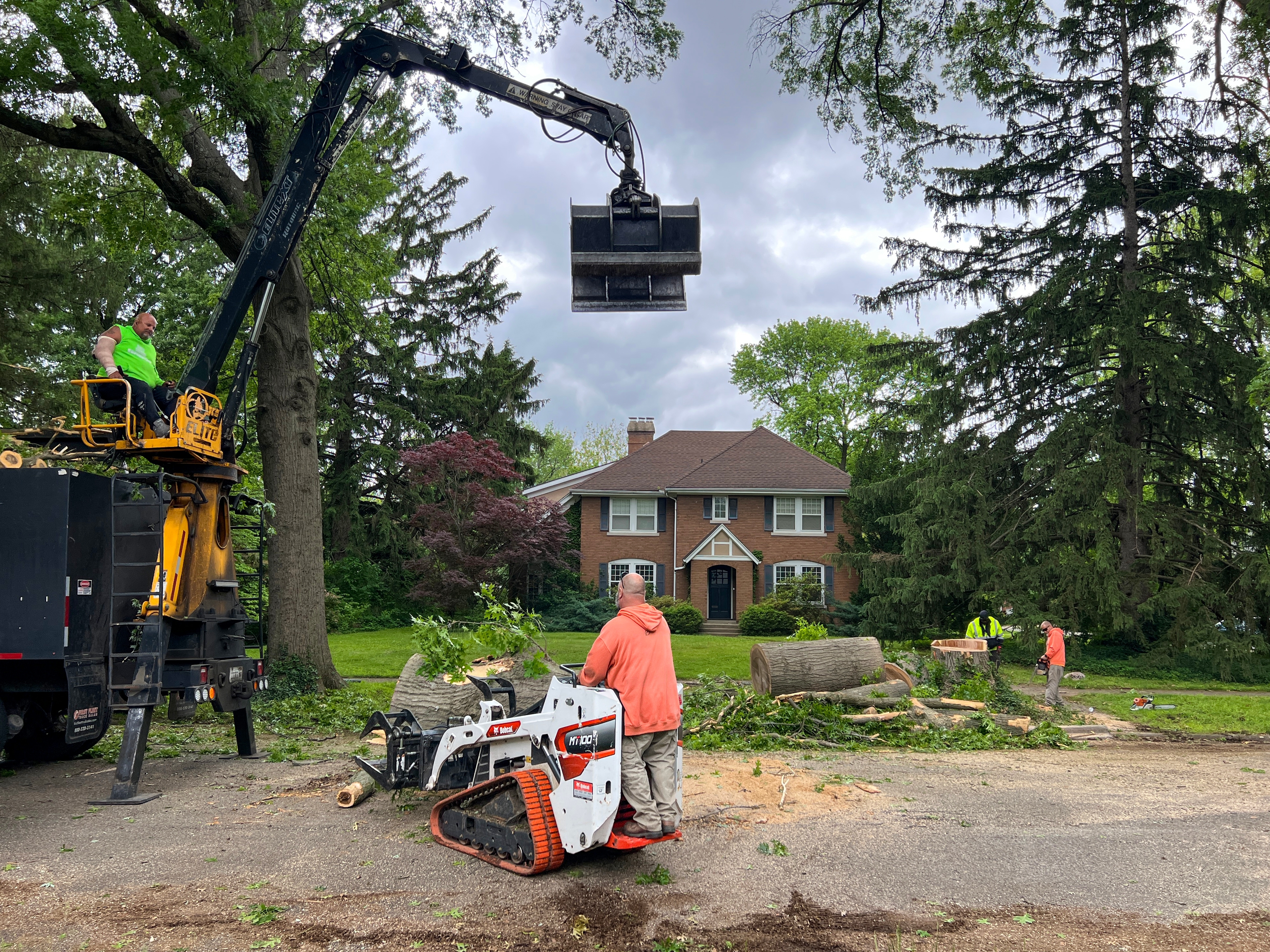
Experienced teams examine access points for equipment and crew movement, ensuring pathways are clear. Maintaining an organized site supports both efficiency and safety during removal. These steps make large tree removal manageable even in tight spaces.
Timing is also critical, as avoiding windy conditions or wet ground reduces accident likelihood. Coordinating removal during optimal weather conditions protects both property and crew. Scheduling thoughtfully ensures the project progresses smoothly without unnecessary delays.
Why Are Rigging Systems and Sectional Dismantling Important?
Rigging systems and sectional dismantling control how large tree parts descend, preventing uncontrolled falls. These techniques protect nearby structures, fences, and landscaping from potential damage. By dismantling the tree in sections, crews maintain control over each branch and trunk.
Ropes, pulleys, and anchor systems guide limbs safely to the ground, which is critical for trees near homes or utility lines. Using these tools allows for precise placement, reducing potential damage to property. Sectional dismantling is effective when trees are in confined areas or limited-access sites.
Crews carefully plan cuts to relieve stress on the tree and prevent swinging branches. Constant monitoring allows adjustments when unexpected conditions arise. Safety checks at each stage protect both workers and property during the project.
Advanced techniques, such as crane-assisted lowering, integrate with sectional dismantling for enhanced control. Coordinating these approaches ensures every branch and trunk is handled safely, as seen in safe way large tree removal.
How Does Heavy Equipment Aid Large Tree Removal?
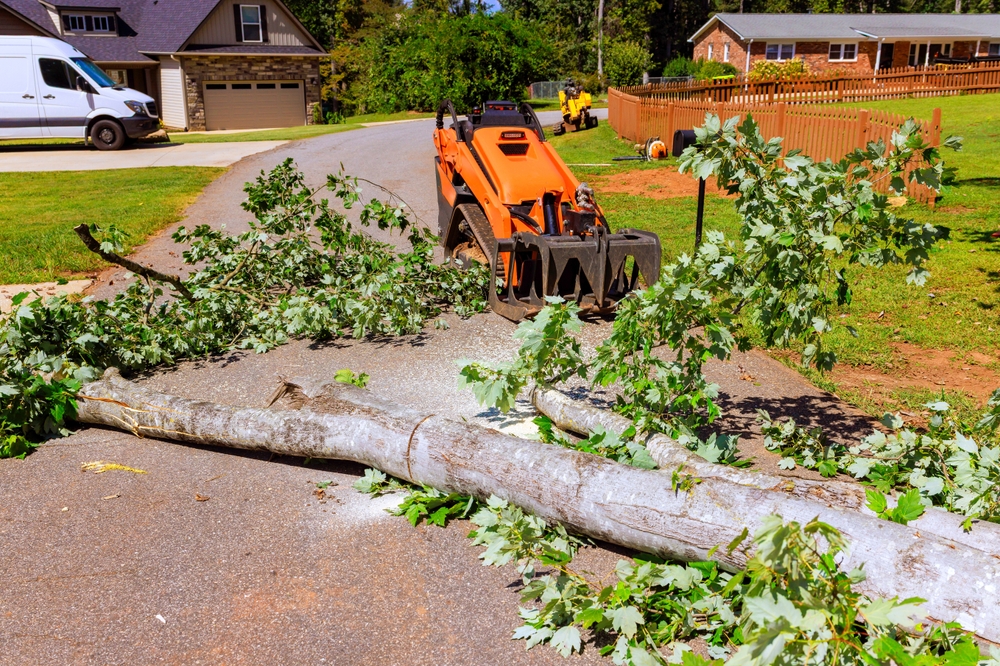
Heavy equipment, including cranes, cherry pickers, and skid-steer loaders, helps crews manage large tree sections safely. Machinery reduces manual lifting risks and accelerates the removal process. Trees with heavy trunks or extensive roots are safer to handle with mechanical assistance.
Benefits of heavy equipment include:
Controlled lowering – Machines guide branches and trunks precisely to the ground.
Reduced labor strain – Crew members avoid injuries from lifting heavy limbs manually.
Efficient debris handling – Loaders and trucks transport branches and logs quickly.
Enhanced safety near structures – Equipment positions tree parts away from homes and fences.
Faster cleanup – Chippers and loaders expedite removal, restoring the yard promptly.
Trained operators select the appropriate equipment based on site layout and tree size. Proper coordination with crew activities ensures safe operations. Using these tools correctly reduces risk to both property and personnel.
How Does Proper Planning Minimize Risk?
Proper planning is essential for safe large tree removal. Professionals assess tree health, site conditions, and potential hazards before beginning any cuts. Planning ensures every step is accounted for, from initial trimming to final cleanup.
Key planning considerations include:
Tree health assessment – Detecting decay, weak limbs, or disease.
Weather evaluation – Avoiding high winds or storms.
Access preparation – Clearing pathways for equipment and crew movement.
Emergency procedures – Establishing safety zones and escape routes.
Property protection – Securing landscaping and nearby structures.
Planning reduces surprises and allows crews to respond safely to unexpected challenges. It also helps direct debris placement strategically to avoid damage. A carefully prepared site supports both safety and efficiency during large tree removal, as emphasized in dangers delaying tree health inspections.
What Safety Protocols Should Experienced Crews Follow?
Experienced crews follow strict safety protocols to ensure large tree removal is incident-free. They wear protective gear, conduct pre-job briefings, and comply with local regulations. Crew members continuously monitor tree stability and environmental conditions throughout the project.
Personal protective equipment (PPE) includes helmets, gloves, eye protection, and chainsaw-resistant clothing, which protects workers from debris and equipment accidents. Teams are trained to respond immediately to hazards to maintain a safe worksite. Clear communication using radios or hand signals coordinates complex movements efficiently.
Ongoing training reinforces knowledge of equipment, cutting techniques, and safety standards. Following these protocols ensures homeowners can trust the process from start to finish. Maintaining safety practices protects both the crew and the surrounding property, as highlighted in tree maintenance tips.
Crew members also conduct site inspections before and after each operation to ensure safety. Evaluating the environment continuously reduces risks associated with large tree removal. Constant vigilance supports efficiency while preventing accidents.
How Is Controlled Lowering and Cleanup Executed?
Controlled lowering involves guiding branches and trunk sections safely after cutting. Crews use ropes, pulleys, and machinery to prevent damage to property. Each section is lowered strategically, maintaining safety for both the crew and surrounding structures.
Debris is organized and removed efficiently using chippers, loaders, or trucks, restoring accessibility and visual appeal to the yard. Proper cleanup eliminates hazards like tripping or hidden root damage. Strategic placement of cut sections protects remaining vegetation and landscaping.
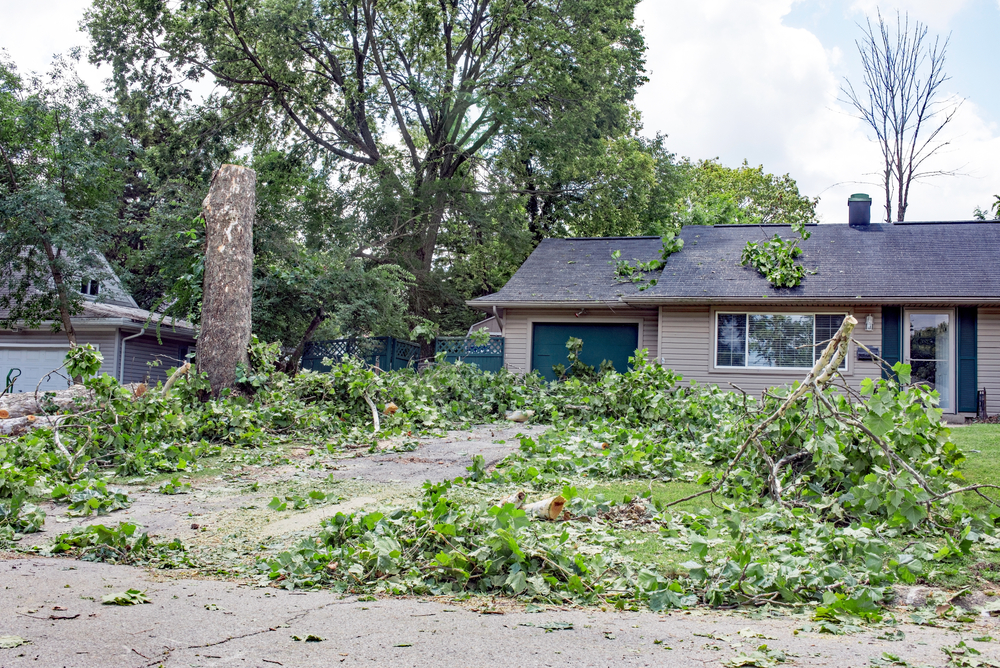
Controlled lowering is especially important for trees near homes, fences, or utility lines. Each branch is guided before cutting the next section to maintain safety. Stump grinding and mulching complete the project, leaving the property safe and orderly, as addressed in hidden risks leaving tree stump.
Site inspections confirm all debris is cleared and the property is restored. This step ensures the yard is safe for use immediately after the project. Completing the cleanup methodically also reduces environmental impact on the surrounding landscape.
Ensuring Safe Large Tree Removal for Your Property
Safe large tree removal depends on careful planning, experienced crews, and proper equipment. Following each step, from rigging and sectional dismantling to controlled lowering and cleanup, ensures the process is secure and efficient. Prioritizing safety, efficiency, and property protection produces successful outcomes without incident.
Homeowners in Roanoke can trust Mark’s Tree & Stump Removal for professional large tree removal using advanced equipment and trained crews. Their team handles high-risk jobs safely while protecting your property and landscape investment. To schedule expert assistance, contact them today.