

Budgeting for Tree Removal: What to Expect in 2025
Caring for your property often means making tough decisions about your trees. Whether it’s a diseased oak leaning too close to your home or a massive pine blocking sunlight, tree removal becomes necessary at times. Many homeowners underestimate the planning that goes into these projects, especially when it comes to cost. You’ll find that understanding what drives the price of tree removal helps you prepare without financial surprises.
Tree removal in 2025 comes with several factors you’ll want to consider before calling in professionals. Prices vary widely depending on the size of the tree, accessibility, and whether the job requires emergency response. Seasonal demand and additional services like stump grinding also add to the total. Knowing what to expect helps you plan ahead and budget more effectively for both routine and unexpected situations.
Understanding the Costs of Tree Removal
Tree removal prices depend heavily on the size and condition of the tree you need addressed. A small ornamental tree near a driveway requires fewer resources compared to a towering hardwood near power lines. Larger trees often need specialized equipment and more crew members, which directly increases cost. If the tree is diseased or rotting, safety precautions may also add to the bill.
You’ll also need to factor in accessibility when considering tree removal costs. A tree standing near an open lawn is easier to manage compared to one squeezed between buildings or fences. Difficult access often requires more time, rigging, and careful dismantling. The more obstacles in the way, the higher the expense.
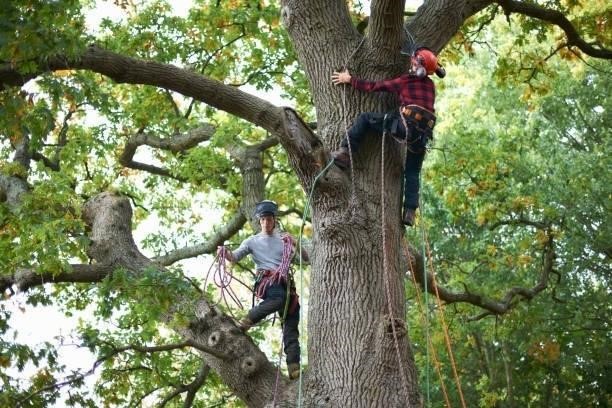
Emergency situations always shift the price of tree removal upward. If a storm drops a tree on your roof, you need immediate service that often costs more. Crews must work quickly, sometimes outside normal business hours, to keep your family safe. The urgency and risk factor significantly raise the final bill.
Additional services can also influence tree removal costs. Stump grinding, debris cleanup, or hauling away large sections of trunk add labor and equipment expenses. While these services may not seem essential at first, they make a major difference in restoring your yard. Including them in your budget prevents unexpected add-ons later.
Planning Ahead for Seasonal Tree Work
Timing matters when it comes to tree removal. Many homeowners don’t realize that the season you schedule the job can impact cost. Spring and summer often bring higher demand as storms and growth cycles increase service calls. Winter sometimes offers more flexible scheduling, which could help balance your budget.
Planning seasonal work gives you more control over your expenses. If you know a tree is declining, scheduling its removal during off-peak months often reduces costs. You’ll avoid paying premium prices when crews are fully booked. Early planning also helps you secure the service date that works best for your schedule.
Weather conditions play an important role in timing as well. Frozen ground during winter may provide easier access for heavy equipment, saving time and money. Conversely, wet ground during rainy seasons can make jobs more challenging and costly. Factoring in local weather patterns ensures smarter budgeting.
You should also consider preventative tree work before storms arrive. Removing weak or damaged trees before severe weather not only reduces risks but also avoids emergency premiums. Proactive planning keeps your family safe while preventing sudden financial burdens. Building this mindset into your yearly budget helps you stay prepared.
Hidden Expenses Homeowners Should Know
Tree removal involves more than cutting down a trunk and hauling it away. Many hidden expenses can surprise homeowners who aren’t prepared. Disposal fees, equipment surcharges, and permits may all come into play depending on the project. Without anticipating these costs, you may end up spending far more than expected.
One often overlooked factor is stump removal. Leaving a stump behind might save money at first, but it can cause long-term problems. Stumps attract insects, create tripping hazards, and complicate future landscaping projects. Including stump grinding or removal in your budget saves time and additional expense down the road.
Permits represent another hidden cost in some cases. Municipal regulations may require approval before removing large or protected trees. Failing to secure proper permits can lead to fines and delays. Budgeting for these administrative requirements prevents frustrating setbacks.
Debris cleanup is another service worth accounting for in your plan. Tree removal leaves behind branches, leaves, and heavy wood pieces that require hauling. Some crews include this service in their pricing, while others charge separately. Knowing in advance avoids sticker shock when the final bill arrives.
Choosing the Right Professional for Tree Removal
Selecting the right company plays a huge role in both cost and quality. You want professionals with proper insurance, certifications, and proven experience handling similar projects. Hiring the cheapest option may look attractive at first, but it can lead to costly mistakes. Reliable professionals ensure safety, efficiency, and lasting results.
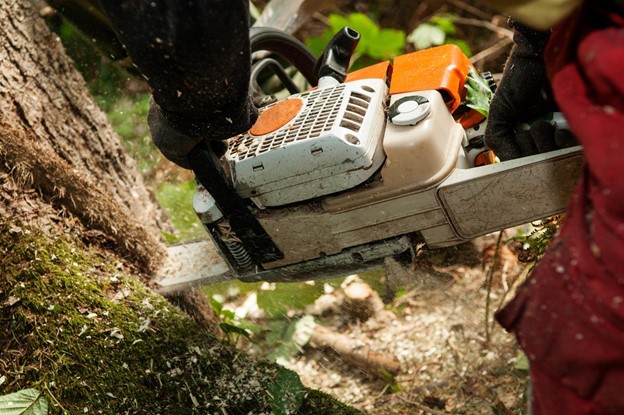
Ask detailed questions about the services included in your estimate. Some providers may quote a low price but exclude essential items like cleanup or stump removal. Transparent pricing helps you make accurate comparisons between companies. Always request a written estimate to avoid confusion later.
Reputation matters when it comes to tree removal services. Reading customer reviews or seeking recommendations from neighbors can help you identify trustworthy providers. A reliable company earns consistent positive feedback for punctuality, thorough work, and respectful communication. Choosing carefully saves you both stress and money.
Finally, prioritize safety credentials when evaluating tree removal companies. Proper training, insurance coverage, and equipment reduce risks for both you and the crew. Accidents with uninsured providers could leave you responsible for damages. Investing in qualified professionals is the smarter financial decision long term.
Building a Long-Term Tree Care Budget
Tree removal should not be your only budget consideration. Healthy trees require ongoing maintenance to reduce the likelihood of costly emergencies. Trimming, pruning, fertilizing, and disease management all help extend the life of your landscape. Investing in preventive care often reduces the need for expensive removals later.
Think about creating a yearly budget that includes routine services. Spreading costs across smaller, regular visits makes tree care more manageable. You’ll protect your property value and avoid sudden large expenses. Consistent care also keeps your yard looking beautiful and safe year-round.
Emergency funds should also be part of your tree care budget. No matter how well you plan, storms and accidents sometimes create urgent situations. Setting aside savings for tree-related emergencies helps you respond without financial stress. Having this safety net gives you peace of mind.
Consider tree planting and rehabilitation as part of your long-term plan. Removing trees may be necessary, but replacing them maintains shade, beauty, and environmental benefits. Budgeting for both removal and replanting keeps your property balanced. A holistic approach protects both your wallet and your landscape.
Plan Ahead for Tree Removal in 2025
Tree removal is a necessary part of maintaining a safe and beautiful property, but budgeting for it doesn’t need to feel overwhelming. Understanding the factors that influence cost, preparing for seasonal work, and anticipating hidden expenses help you stay in control.
Choosing the right professional and building a long-term plan ensures you’re ready for both routine and urgent needs. Taking proactive steps today makes the process smoother, safer, and more affordable.
If you’re ready to plan your tree care with confidence, reach out to us at Mark’s Tree & Stump Removal for expert service you can trust.